 grozdan44
Armenian Food Guide 2026 — What to Eat and Where
One of the great undiscovered cuisines. What to order, what it actually tastes like, and where to find the real thing.
Armenian cuisine does not have the global profile it deserves. It is one of the oldest continuous food cultures in the world, shaped by the Silk Road, the Armenian Highlands, and a diaspora that carried recipes across five continents. The result is a cuisine with extraordinary depth — herb-heavy, walnut-rich, smoke-kissed from the khorovats grill, with a sour note from matsun and pomegranate that appears in everything from soups to desserts. This guide covers what to actually eat, what things are called, and where to find versions worth eating.
New to Armenian food? Start here.
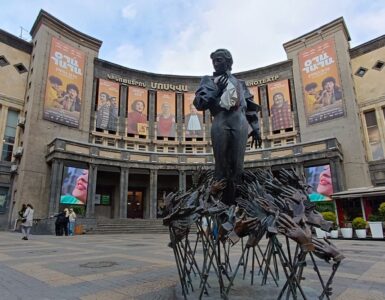
Order these five dishes first: dolma (stuffed grape leaves), khorovats (Armenian barbecue), lavash with cheese and herbs, spas (yogurt soup), and anything with pomegranate. If you want to go deeper, book a food tour or a cooking class — both are significantly better than wandering into random restaurants near Republic Square.
What’s in this guide
The Essential Armenian Dishes
Armenian cuisine is built on a handful of foundational techniques and ingredients that appear across dozens of dishes: lavash (the flatbread that accompanies everything), matsun (fermented yogurt, sour and thick), pomegranate (juice, seeds and molasses used throughout), walnuts (in sauces, pastries and salads), and the smoke from the khorovats grill. Understanding these building blocks makes the menu make sense.
Essential — Order First
Dolma
ԴոլմաStuffed grape leaves — the dish Armenia is most proud of, and with good reason. Grape leaves filled with spiced minced lamb and rice, served with matsun (yogurt). The Armenian version is notably more herb-forward and more sour than the Greek or Turkish equivalent. UNESCO-listed as an intangible cultural heritage.
AMD 2,500–4,000 ($6.40–10.25) per portionEssential — Order First
Khorovats
ԽորովածArmenian barbecue — pork, lamb or chicken grilled over charcoal with a specific smoky char that bears no relation to what most of the world calls barbecue. The pork version is the standard; the lamb version is better. Eaten with lavash, raw onion, and herbs. Every Armenian family has a khorovats master.
AMD 3,500–6,000 ($9–15.40) per portionEssential — Order First
Lavash
ԼավաշThin flatbread baked on the inner wall of a tonir clay oven — UNESCO-listed, ancient, and present at every Armenian meal. Eaten fresh (soft, slightly chewy, still warm) or dried (crackerlike, used to scoop and wrap). The best lavash is made in village bakeries; the worst is industrial. Fresh lavash with white cheese and herbs is a complete meal.
AMD 200–500 ($0.51–1.28) per breadShould Try
Spas
ՍպասCold yogurt soup made with matsun, water, wheat berries, and a mountain of fresh herbs — coriander, mint, tarragon. Tangy, cooling, deeply restorative on a hot Yerevan afternoon. One of those dishes that sounds implausible until you eat it.
AMD 1,200–2,000 ($3.10–5.13) per bowlShould Try
Manti
ՄանтыTiny boat-shaped dumplings baked in the oven and served with matsun and a drizzle of sumac-spiced butter. The Armenian version differs from the Turkish or Central Asian versions in shape and in the quality of the spicing. A full portion is substantial.
AMD 2,500–4,000 ($6.40–10.25) per portionShould Try
Ghapama
ՂափամաA whole pumpkin stuffed with rice, dried fruits (raisins, apricots, plums), honey and cinnamon, baked whole. A celebratory dish — you will not find it on everyday menus but it appears at feasts, on autumn menus and in restaurants that take the cuisine seriously.
AMD 4,000–7,000 ($10.25–17.95) seasonalShould Try
Harissa
ՀարիսաA thick porridge of cracked wheat and chicken, slow-cooked for hours until the meat has essentially dissolved into the grain. Flavoured with clarified butter and nothing else. One of the oldest dishes in the cuisine — dates to pre-Christian Armenia. Heavier than it looks; one bowl is a meal.
AMD 2,000–3,500 ($5.13–8.97) per portionVegetarian
Borani
ԲորանիSpinach or beet greens cooked in butter with garlic and onion, served with matsun on top. Simple, deeply flavoured, one of the best arguments for Armenian vegetarian cooking. Appears on menus year-round but is best in spring with young greens.
AMD 1,500–2,500 ($3.85–6.40) per portionVegetarian
Tolma with Cabbage
Կաղամբով ՏոլմաThe winter version of dolma — when grape leaves are out of season, the same filling is wrapped in cabbage leaves. Different texture, equally good, available year-round. Often preferred by locals over the grape leaf version.
AMD 2,000–3,500 ($5.13–8.97) per portionFish
Ishkhan (Sevan Trout)
ԻշխանThe trout endemic to Lake Sevan, grilled whole over charcoal. Best eaten at the lake itself — the restaurants at Sevan serve it within hours of it coming out of the water. Has no equivalent elsewhere: the altitude, the cold water and the specific genetics of the fish produce a flavour that farmed trout cannot replicate.
AMD 4,000–8,000 ($10.25–20.50) at SevanLavash — The Bread That Defines the Cuisine
Lavash (Լավաշ) was inscribed on UNESCO’s Intangible Cultural Heritage list in 2014 as “cultural expression and symbol of family unity.” That sounds like bureaucratic language but it is not — lavash is genuinely central to Armenian food culture in a way that goes beyond bread-as-accompaniment. It is the plate, the utensil, the wrapper and the vehicle for everything else.
Traditional lavash is made by three women working together: one kneads the dough, one stretches it on a cushion-shaped pillow into a thin sheet, and one slaps it against the inner wall of the tonir (a clay oven sunk into the ground) where it cooks in 30–60 seconds. The result is a large, thin, slightly blistered flatbread that is pliant when fresh and brittle when dried.
Where to find good lavash in Yerevan: the GUM market and the Pak Shuka covered market both have fresh lavash baked on premises. Look for the tonir — if it is there, the bread is made that day. Supermarket lavash is edible but a different product entirely.
Khorovats — Armenian Barbecue
Khorovats (Խորոված) is the dish around which Armenian social life organises itself. Birthdays, name days, weekends at the dacha, family gatherings — all require a khorovats. The word translates approximately as “roasted,” but what it actually means is: meat grilled over vine or mulberry charcoal on a mangal (a flat metal grill), turned repeatedly, eaten immediately, with lavash and raw onion and herbs and large amounts of whatever is being drunk.
The pork version (khorovats khndzori — pork marinated with onion and pomegranate) is the standard. The lamb version (barrani khorovats) is better but less common. The chicken version is the compromise option and is eaten by people who are not quite committed to the occasion.
Armenian barbecue differs from Georgian mtsvadi (the equivalent across the border) primarily in the marinade — more pomegranate, more herbs, sometimes wine — and in the cut of meat. Armenians tend to use slightly fattier cuts that char on the outside and stay tender inside; Georgians lean towards leaner pieces.
Where to eat khorovats in Yerevan
Avoid the khorovats restaurants on the main tourist routes around Republic Square — they serve adequate but overpriced versions to tourists. The real khorovats is in the neighbourhood restaurants of Ajapnyak, Nork and Davtashen, or at any of the roadside grills on the road to Sevan on a summer Sunday morning when every Armenian family is en route to the lake.
Dolma — Armenia’s Most Contested Dish
Dolma (Դոլմա — from Turkish “dolmak,” to fill) is the dish at the centre of one of the most persistent food arguments in the Caucasus. Armenians, Turks, Azerbaijanis, Greeks, Arabs and a dozen other cultures all claim dolma as theirs. The UNESCO inscription of dolma as Azerbaijani intangible cultural heritage in 2017 produced a level of Armenian outrage that has not fully subsided.
The historical argument is long and probably unresolvable. The food argument is more accessible: the Armenian version is distinguished by a higher ratio of herbs to rice in the filling, the use of lamb rather than beef, the mandatory accompaniment of very cold matsun, and a sourness that runs through the whole dish from the grape leaf to the yogurt. It is the version most worth eating on this route.
The best dolma in Yerevan is not in the restaurants. It is at the Pak Shuka market on weekday mornings, made fresh by vendors who have been doing it for thirty years. Buy a portion, sit on the steps, eat with your fingers. This is the correct way.
Armenian Breakfast
Armenian breakfast is one of the most pleasurable meals in the country and the thing most visitors remember. It is not a quick affair. The table fills with: fresh lavash (warm, just made), white cheese (either salty and crumbly like feta, or fresh and mild), madzoon/matsun (thick yogurt, slightly sour), honey from local beehives, fresh tomatoes and cucumbers, a bowl of green herbs (tarragon, coriander, mint, basil), boiled eggs, sometimes cold cuts, and strong black tea or coffee.
Guesthouses throughout Armenia almost universally include breakfast. Hotel breakfasts at the international chains are more generic. The best breakfast experience is at a family guesthouse in Goris, Alaverdi or a village — the table will be set with whatever is available from the garden and the cellar, and it will be the most local thing you eat during your trip.
Armenian Sweets & Pastry
Gata
Gata (Գաթա) is Armenia’s signature pastry — a layered dough filled with a mixture of butter, sugar and flour (the khoriz) that caramelises as it bakes. Every region has its version: the Yerevan version is lighter and more croissant-like; the Karin version is denser and more intensely buttery; the Karabakh version is the most complex. Bakeries throughout Yerevan sell it fresh — best eaten warm, immediately.
Pakhlava
The Armenian version of baklava — layers of pastry with walnut and honey filling. Better than the Turkish version if you ask an Armenian, worse if you ask a Turk. The honest answer is that they are different. Armenian pakhlava uses more walnut and less syrup, resulting in a less sweet, more textured pastry.
Sujukh / Churchkhela
Strings of walnuts dipped repeatedly in thickened grape juice (dibs) until they form a sausage shape. Called sujukh in Armenian, churchkhela in Georgian (the same thing exists on both sides of the border). Sold at every market, roadside stall and monastery entrance. Quality varies enormously — the best are made from walnuts, the inferior versions use mixed nuts or industrial grape juice. Taste before you buy.
Alani
Dried peaches stuffed with a mixture of walnut, sugar and cinnamon — a speciality of the town of Goris in southern Armenia. Seasonal (late summer/autumn), expensive, and unlike anything else. If you see them, buy them.
Armenian Drinks — Wine, Cognac and Tan
Armenian wine
Armenia is one of the oldest wine-producing regions in the world — the world’s oldest known winery was discovered in the Areni cave in Vayots Dzor, dating to approximately 4,100 BC. The industry nearly collapsed during the Soviet period and has been reconstructing itself since the 1990s. The current results are genuinely good.
The Areni grape variety is indigenous to Armenia and produces wines unlike anything from the better-known regions — tannic, deeply coloured, with a distinctive combination of dark fruit and herbs. Producers worth trying: Zorah Wines (the best in the country by most assessments), Karas, Trinity Canyon Vineyards, and Old Vine / Voskevaz.
Armenian brandy (cognac)
Ararat cognac is one of the genuinely great spirits of the Caucasus — Winston Churchill drank it at Tehran, Yalta and Potsdam, and reportedly arranged for supplies to be delivered to Chequers. The Yerevan Ararat distillery has been operating since 1887 and offers excellent tours with tasting. The 5-year Ararat is the standard; the 10-year Akhtamar and the 20-year Nairi are worth the premium.
Tan
Tan (Թան) is a cold drink made from matsun diluted with water and lightly salted — essentially drinking yogurt. Sounds unpleasant; is not. It is refreshing in a way that cold drinks made from fermented dairy somehow are, and it pairs extraordinarily well with khorovats. Available in every café and shop throughout Armenia.
Mulberry vodka (Oghee)
Armenian oghee (օղի) is a clear spirit distilled from various fruits — mulberry is the most traditional, producing a smooth, slightly sweet spirit with none of the harshness of industrial vodka. Made in small batches by families throughout the country; the version poured from an unlabelled bottle by your guesthouse host is almost always better than anything for sale in a shop.
Food Tours & Cooking Classes in Yerevan
The most efficient way to understand Armenian food quickly — and to find restaurants you would never find independently — is a guided food tour. Yerevan has good options across different formats.
Best overview
Yerevan Private Walking Food Tour
A private walking tour of Yerevan’s food scene — markets, bakeries, neighbourhood restaurants, and local producers that tourists almost never find. The most efficient way to cover a lot of ground with someone who knows where the good food actually is.
From ~$45–70/person
Best for wine lovers
Rare Grape & Wine Tasting Experience
A focused tasting of Armenia’s indigenous grape varieties — Areni, Voskehat, Kangun — with a guide who knows the vineyards. The rare grape angle makes this more interesting than a generic wine tour; indigenous varieties are where Armenian wine distinguishes itself from international comparisons.
From ~$35–55/person
Best for wine + food pairing
Armenian Wine Tasting with Cheese & Salami Platter
Wine tasting paired with a selection of Armenian cheeses and cured meats — a good introduction to both the wines and the charcuterie that is less famous outside the country than it deserves to be. Suitable as an evening activity after a day of sightseeing.
From ~$25–45/person
Best hands-on experience
Masterclass: Armenian Food with a Local Family
Cook Armenian dishes in a Yerevan home kitchen with a local family — dolma, lavash, salads, the works. You learn the techniques (and the family recipes), eat what you cooked, and leave with something genuinely different from a restaurant meal. The most memorable food experience available in Yerevan.
From ~$40–65/person
Best street food experience
Yerevan Street Eats & Sips — Culinary Adventure
A street food–focused tour of Yerevan covering the stalls, market vendors and neighbourhood spots that most visitors walk past. Complementary to the private food tour — this one is specifically about the informal, fast, cheap end of Armenian food culture, which is often its most honest expression.
From ~$35–55/person
Best food + wine combined
Armenian Cooking and Wine — Yerevan
A combined cooking and wine session — you cook traditional Armenian dishes and pair them with Armenian wines, with guidance on both. Good option for visitors who want to cover food and wine in one experience rather than booking two separate tours.
From ~$40–65/person
Best wine region day trip
Vayots Dzor Areni Wine Route (Private Tour)
A private tour through the Areni wine region in Vayots Dzor — home of the world’s oldest winery (4,100 BC) and Armenia’s most important indigenous grape, the Areni Noir. Visits to producers, tastings in cellars, the Areni cave itself. The right tour for anyone who wants to understand Armenian wine at the source rather than in a Yerevan bar.
From ~$60–90/person
Where to Eat in Yerevan — Honest Guide
Yerevan’s restaurant scene has improved significantly in the last decade, particularly in the wine bar and modern Armenian cuisine space. The tourist-trap zone is well-defined — avoid the block immediately around Republic Square and the restaurants that have menus in fifteen languages and a photo of every dish. Walk two streets in any direction and quality rises while prices drop.
For traditional Armenian food
The best traditional Armenian cooking is in the neighbourhood restaurants of Kentron (the central district) that do not advertise in English and whose menus change with the season. Look for places with a handwritten daily specials board, where the majority of diners are Armenian, and where the tables are full by 1pm. Prices will be AMD 2,500–5,000 ($6.40–12.80) for a full meal with drinks.
For the market experience
Pak Shuka (the covered market near Mashtots Avenue) and GUM market are the right places for fresh produce, fresh lavash, cheeses, and prepared foods. Go on a weekday morning. Sunday is busier and slightly more expensive. The Vernissage open-air market near Republic Square is more of a craft and souvenir market but the surrounding cafes are good for breakfast.
For wine bars
Yerevan has developed a serious wine bar scene in the last five years. The bars around Saryan Street and in the Kond neighbourhood have good selections of natural and artisan Armenian wines by the glass, with staff who know the producers. Prices: AMD 1,500–3,000 ($3.85–7.70) per glass of good wine is reasonable; anything significantly more expensive needs to justify itself.
Tourist trap indicators
Menu translated into more than three languages. Photos of every dish. Outdoor signage in English only. A host standing outside inviting people in. All four together: avoid. One or two: use judgment. The food at these places is not bad, but it is 40–60% more expensive than equivalent quality two streets away, and the version of Armenian cuisine being served has been smoothed out for tourist palates.
Armenian Food Glossary — Quick Reference
| Armenian | English name | What it is |
|---|---|---|
| Լավաշ (Lavash) | Flatbread | Thin bread baked on tonir clay oven — UNESCO listed |
| Խորոված (Khorovats) | Barbecue | Meat grilled over charcoal; pork, lamb or chicken |
| Դոլմա (Dolma) | Stuffed grape leaves | Lamb and rice in grape leaf, served with matsun |
| Մածուն (Matsun) | Yogurt | Fermented milk, thicker and more sour than Greek yogurt |
| Սպաս (Spas) | Cold yogurt soup | Matsun with wheat berries and fresh herbs, served cold |
| Մանty (Manti) | Baked dumplings | Tiny boat-shaped dumplings with matsun and butter |
| Հարիսա (Harissa) | Wheat porridge | Slow-cooked cracked wheat with dissolved chicken |
| Ղափամա (Ghapama) | Stuffed pumpkin | Whole pumpkin filled with rice, dried fruits and honey |
| Գաթա (Gata) | Layered pastry | Butter-sugar-flour filling in flaky dough; regional variations |
| Սուջուխ (Sujukh) | Walnut candy | Walnuts on string dipped in grape juice |
| Թան (Tan) | Yogurt drink | Diluted, salted matsun — refreshing with barbecue |
| Օղի (Oghee) | Fruit vodka | Clear spirit distilled from mulberry, grape or apricot |
| Իշխան (Ishkhan) | Sevan trout | Endemic Lake Sevan trout — grilled whole over charcoal |
More Armenia Guides
- Armenia Travel Guide 2026 — complete country overview
- Yerevan Travel Guide 2026 — the capital
- Lake Sevan Guide — eat ishkhan at the source
- Armenia Travel Costs 2026 — what food actually costs
- Best Time to Visit Armenia — seasonal food and festivals
- Garni & Geghard from Yerevan — lavash baking tours en route
- Georgia Travel Guide 2026 — Georgian food is a completely different experience worth comparing
- Georgian Food Guide 2026 — khinkali, khachapuri, qvevri wine
- Georgia vs Armenia — which country has better food?
Frequently Asked Questions — Armenian Food
What is Armenian food like?
Armenian cuisine is herb-forward, smoke-kissed and sour in the best way — the sourness of matsun (yogurt), pomegranate molasses and fermented grape products runs through the food as a recurring theme. Meat-heavy but with excellent vegetable and grain dishes; lavash flatbread accompanies everything. It has more in common with Lebanese and Persian food than with Russian or Eastern European cuisines, despite the Soviet history.
What is the most famous Armenian dish?
Dolma — stuffed grape leaves with spiced lamb and rice, served with cold matsun — is the dish Armenians consider most representative of their cuisine. Khorovats (Armenian barbecue) is what Armenians actually eat most. Lavash is the most culturally significant — UNESCO-listed since 2014.
Is Armenian food similar to Greek or Turkish food?
There are shared dishes — dolma, börek equivalents, yogurt-based sauces — that reflect centuries of proximity and the shared geography of the Eastern Mediterranean and Caucasus. But Armenian cuisine has distinct characteristics: more sour notes from matsun, more emphasis on herbs, the specific smokiness of khorovats, and indigenous ingredients like the Areni grape and Sevan trout. It is related but distinct.
Is Armenian food good for vegetarians?
Better than it might appear. Armenian Orthodox fasting tradition has produced an extensive repertoire of vegetable dishes — borani (greens with yogurt), spas (cold yogurt soup), various stuffed vegetables, bean and lentil dishes, and salads. The challenges: menus in traditional restaurants may not clearly mark vegetarian dishes, and some dishes listed as vegetarian are cooked in meat broth. Ask specifically.
What should I drink in Armenia?
Start with tan (cold salted yogurt drink) with lunch, Armenian wine from the Areni region with dinner, and Ararat cognac at the end of the evening. The 5-year Ararat is widely available and excellent value. If someone offers you homemade oghee (mulberry vodka) from an unlabelled bottle, accept — it is almost always better than anything commercially produced.
Where can I learn to cook Armenian food?
The cooking masterclass with a local family in Yerevan is the best option — you cook dolma, lavash and other dishes in a home kitchen, eat what you made, and leave with real recipes rather than a restaurant experience. Food walking tours are the second-best option for understanding the cuisine quickly.
Experience Armenian Food Properly
A food tour or cooking class gives you access to places and dishes you would never find alone.
This article contains affiliate links. If you book through them, CaucasusExpert.com earns a small commission at no extra cost to you. All recommendations are based on personal experience and honest assessment. Full disclosure policy.